

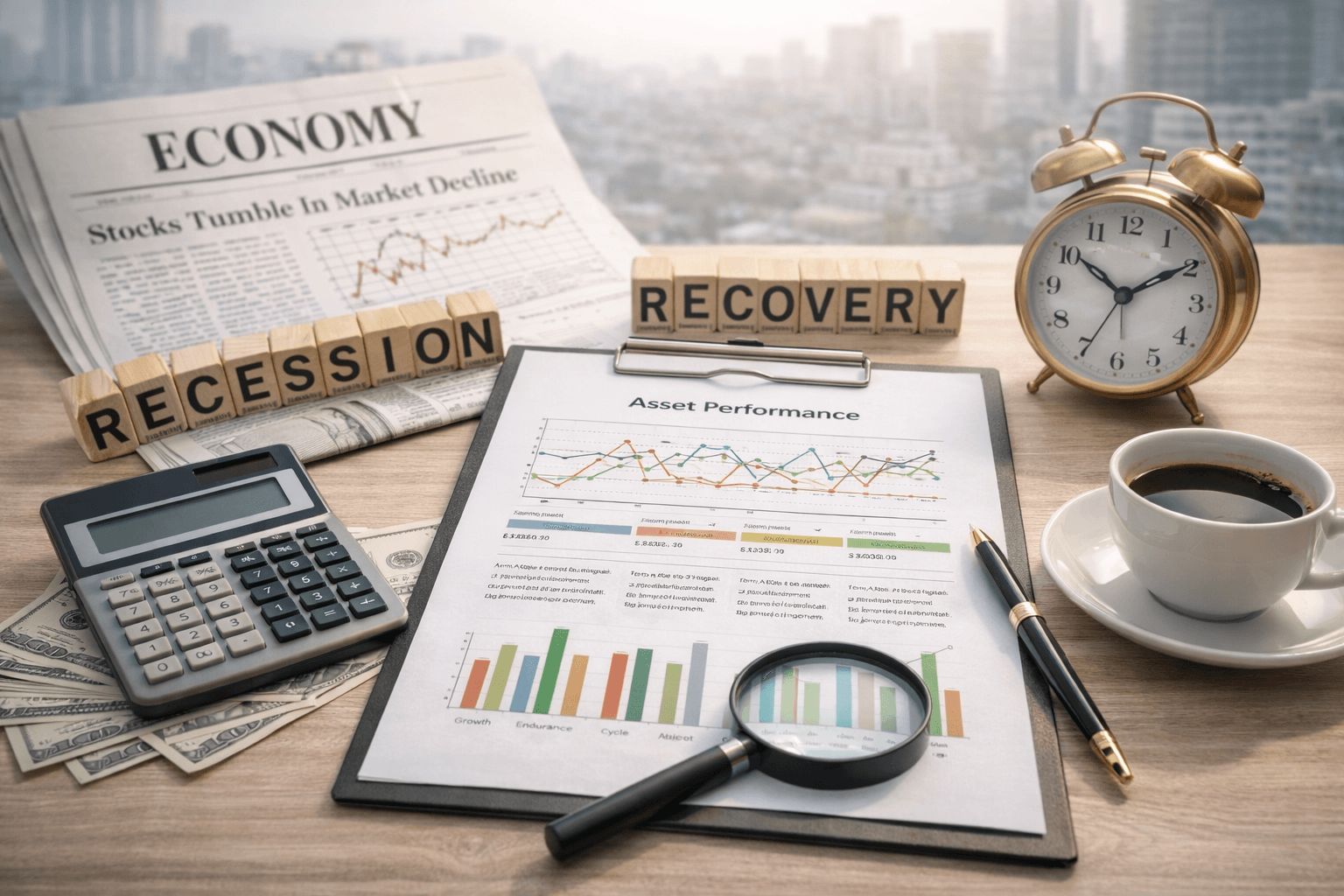
Every investor dreams of a portfolio that not only grows but endures. The reality of financial markets, however, is that they move in cycles. Periods of expansion are inevitably followed by contractions. Interest rates rise and fall. Consumer sentiment shifts. While it is impossible to predict the exact timing of these changes, it is entirely possible to build a portfolio of assets designed to withstand them. The key is to focus on intrinsic value rather than speculative trends.
This approach requires shifting your perspective from short-term gains to long-term resilience. It means selecting assets based on their fundamental quality, their role in the community, and their ability to generate consistent value through both booms and busts. We will explore the principles behind creating a durable portfolio. By examining strategies and real-world examples, you will learn how to identify and cultivate assets that serve as a true foundation for lasting wealth, a core philosophy of Apavou Heritage.
The Myth of Timing the Market
Many investors expend enormous energy trying to time the market, buying at the bottom and selling at the peak. While this sounds appealing, decades of data show it is a fool’s errand. Market movements are influenced by countless unpredictable factors, from geopolitical events to shifts in mass psychology. Attempting to navigate this volatility often leads to emotional decisions, such as panic selling during a downturn or buying into a bubble out of fear of missing out.
A more effective strategy is to build a portfolio that does not depend on market timing for its success. This involves acquiring high-quality assets that you are comfortable holding through an entire economic cycle. These are assets whose value is tied not to fleeting sentiment but to fundamental, unwavering demand. The focus moves from “when to buy” to “what to buy.”
Quality Over Speculation
A resilient asset has identifiable, non-negotiable qualities. For a company, this might be a strong balance sheet, a dominant market position, and a history of consistent earnings. For real estate, it means a prime location, durable construction, and a purpose that serves a lasting community need.
Speculative assets, on the other hand, derive their value primarily from the belief that someone else will pay more for them in the future. Their prices can skyrocket during periods of market euphoria but can collapse just as quickly when sentiment changes. Building a portfolio that withstands economic cycles means prioritizing assets with tangible, defensible value over those propped up by speculation. This disciplined approach is central to the strategy of the Apavou Group.
The Cornerstones of a Resilient Real Estate Portfolio
Real estate is often considered a cornerstone of a durable investment strategy. As a physical asset, it offers a level of stability that purely financial instruments cannot. However, not all properties are created equal. Building a portfolio that can weather economic storms requires a focus on specific types of real estate that possess inherent resilience.
Essential-Need Assets: Residential and Logistics
Certain property types cater to fundamental human and commercial needs that persist regardless of the economic climate.
- Residential Property: People will always need a place to live. During economic downturns, the demand for rental housing can even increase as individuals and families postpone homeownership. A well-located and well-managed residential development like Terre d’été provides essential housing, ensuring consistent occupancy and stable rental income through various market cycles. Its value is tied to the basic need for shelter, not to discretionary spending.
- Logistics and Warehousing: The rise of e-commerce and global supply chains has made industrial and logistics real estate an essential infrastructure asset. Businesses need warehouses to store goods and distribution centers to get products to consumers. This need does not vanish during a recession; it is fundamental to modern commerce.
Strategic Location and Infrastructure
The long-term value of a property is anchored by its location. But a “good” location is more than just a prestigious address. It is about connectivity and its proximity to economic drivers. An asset located near major transportation hubs, ports, airports, and growing population centers has a structural advantage.
The government’s investment in surrounding infrastructure is a powerful indicator of future resilience. New highways, public transit lines, or upgraded utilities can dramatically enhance a property’s value and desirability over the long term. This focus on strategic positioning has been a hallmark of developments by Apavou Mauritius, ensuring their assets remain relevant and accessible for decades.
Diversification: The First Line of Defense
A portfolio concentrated in a single asset class, industry, or geographic region is highly vulnerable. A downturn in that specific area could have a devastating impact. Diversification is the most fundamental principle for mitigating risk and building a portfolio that can withstand economic cycles.
Across Asset Classes
A truly diversified portfolio should include a mix of asset classes with different risk-and-return profiles. This could mean balancing public equities with direct investments in real estate, infrastructure, and private businesses. Tangible assets, like commercial real estate, often provide income streams that are not perfectly correlated with the stock market, offering a valuable hedge during periods of equity market volatility.
For example, the stable, long-term rental income from a corporate tenant in a building like The Cube can provide steady cash flow even when financial markets are turbulent.
Within Real Estate
Even within a real estate portfolio, diversification is critical. Owning a mix of residential, commercial, and industrial properties helps protect against sector-specific downturns. A recession might impact demand for new office space, but the demand for essential retail and housing may remain robust.
The success of Plaisance Mall illustrates this. As a retail hub serving a large residential area, it caters to non-discretionary spending (groceries, pharmacy items) as well as discretionary shopping. This mix makes its income stream more resilient than that of a luxury-only shopping center, which would be more susceptible to cuts in consumer spending during a downturn.
The Power of Long-Term Leases and Quality Tenants
In commercial real estate, the strength of your lease agreements and the quality of your tenants are paramount to weathering economic cycles.
Securing Predictable Cash Flow
Short-term leases, common in residential properties, offer flexibility but also introduce turnover risk. Commercial properties, in contrast, thrive on long-term leases, often spanning five, ten, or more years. These leases provide a predictable, contractual stream of income that is insulated from short-term market volatility.
Furthermore, well-structured commercial leases often include fixed annual rent escalations. This builds in growth and ensures that rental income keeps pace with or exceeds inflation, protecting the real value of the returns over the life of the lease.
The Value of a High-Quality Tenant
A portfolio’s resilience is directly tied to the financial health of its tenants. A building leased to a diverse mix of financially sound companies with strong credit ratings is far more secure than one leased to a single, speculative startup.
Due diligence on prospective tenants is just as important as due diligence on the property itself. Established businesses, government agencies, and essential service providers (like medical clinics or grocery stores) are ideal tenants for a cycle-resistant portfolio. They are less likely to default on their lease obligations during an economic contraction. Apavou Heritage emphasizes securing strong anchor tenants as a foundational step in de-risking any commercial development.
Active Management and Future-Proofing
Building a resilient portfolio is not a passive “set it and forget it” activity. It requires continuous, active management and a forward-looking approach to ensure assets remain relevant and competitive.
Proactive Maintenance and Capital Improvements
An asset’s physical condition is crucial to its long-term value. Deferring maintenance to boost short-term cash flow is a classic mistake. Over time, this leads to asset degradation, making it less attractive to tenants and buyers. A disciplined approach involves budgeting for regular maintenance and strategic capital improvements.
Upgrading a building’s systems, enhancing its energy efficiency, or modernizing its common areas can significantly increase its appeal and command higher rents. This proactive reinvestment future-proofs the asset, ensuring it can compete effectively in the market for years to come, a practice deeply embedded in the management philosophy of the Apavou Group.
Adaptability and Flexible Use
The world changes. The way we work, shop, and live evolves. Assets that are highly specialized and rigid in their use are at risk of obsolescence. Resilience is enhanced by adaptability.
Consider an office building like The Cube. Its modern design with flexible floor plans allows it to cater to a wide range of business needs, from large corporate headquarters to smaller, collaborative workspaces. This adaptability ensures it can meet changing tenant demands, such as the shift toward hybrid work models. When evaluating a potential acquisition, always ask: “How could this space be repurposed if its current use becomes obsolete?”
Building a Legacy of Value
Building assets that withstand economic cycles is a marathon, not a sprint. It requires a disciplined investment philosophy that prioritizes fundamental quality, diversification, and long-term vision over the seductive allure of short-term gains.
By focusing on essential-need assets, securing properties in strategic locations, and ensuring a diverse mix of high-quality tenants on long-term leases, you create a portfolio with deep, structural resilience. This approach, championed by Apavou Heritage, is not about avoiding risk entirely, that is impossible. Instead, it is about intelligently managing risk to build a foundation of value that endures. It is about creating a legacy that can weather any storm and generate wealth not just for years, but for generations.
 Previous Post